How Austin Building Codes Affect Your HVAC System Requirements
Published: 2026-04-26 · By BreezyPros Cooling Installation and Heating Repair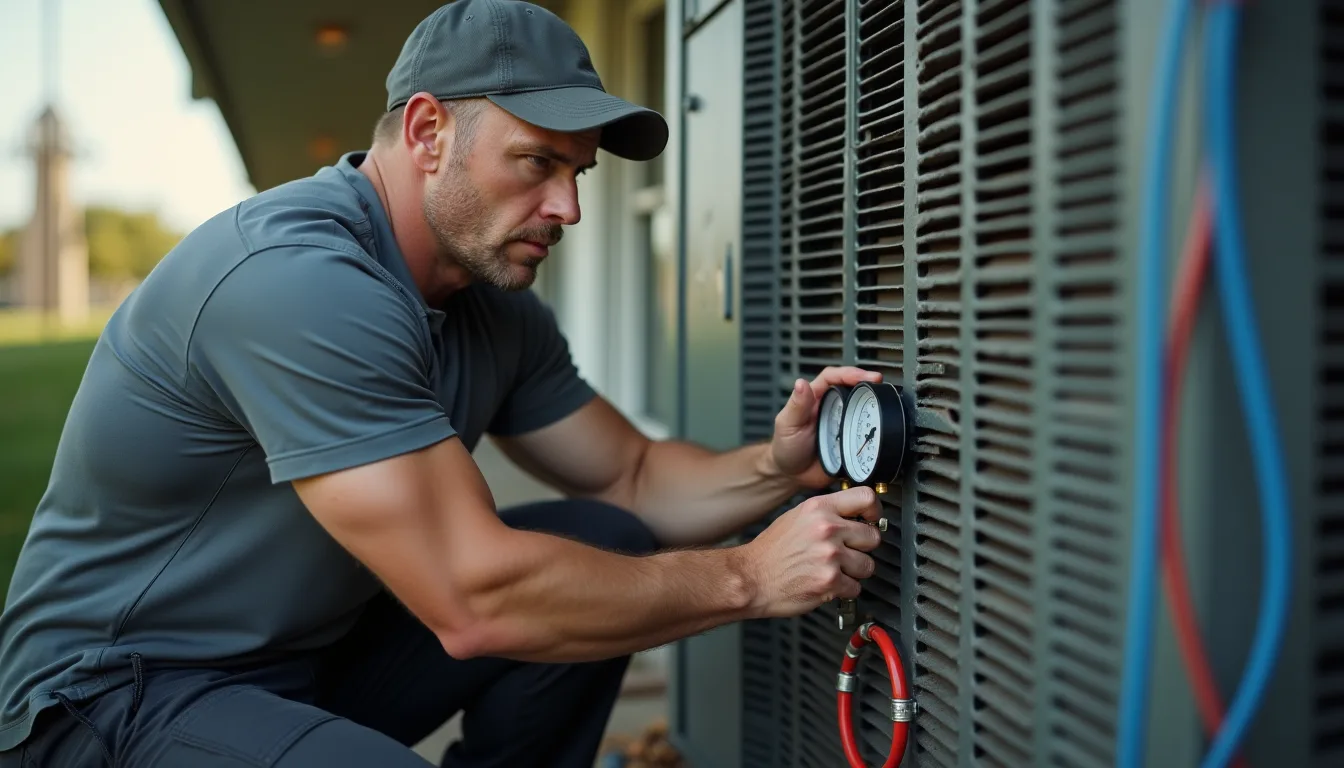
As summer swelters upon us in Austin, the combination of high humidity and relentless heat intensifies the demand for reliable cooling solutions. Many homeowners become overwhelmed by the many rules, codes, and regulations surrounding HVAC systems. These guidelines not only ensure your HVAC installation meets performance standards but also affect everything from energy efficiency to the longevity of your system. Underestimating these factors can lead to costly repairs or inefficient heating and cooling, especially when severe thunderstorms roll through or foundation shifts occur due to our clay soil. Let’s dive into how Austin’s building codes impact your HVAC system requirements.
Why This Matters for Austin Homeowners
Austin homeowners often face unique challenges when it comes to heating and cooling their homes, and local building codes play a crucial role in addressing these issues. First, code compliance is necessary to maintain safety and efficiency standards, which help avoid potential hazardous situations that may arise from improper installations. With properties often built on shifting clay soil, HVAC systems need to be installed with stability in mind, particularly to withstand foundation movements caused by moisture fluctuations.
Moreover, the extreme heat and humidity prevalent in Austin mean that air conditioning units must be selected and installed to best combat our local climate. Choosing inappropriate systems not only affects comfort levels but can also lead to the premature failure of your HVAC unit, resulting in costly repairs or replacements.
Additionally, with hurricane season looming, Austin residents need to ensure that their HVAC systems can endure the severe weather conditions that might affect their performance and durability. Ignoring these local factors could lead to significant unintended expenses during the hottest and stormiest months of the year.
Expert Solutions & Actionable Tips
1. Understanding SEER Ratings and Efficiency
In Austin, it’s essential to consider the Seasonal Energy Efficiency Ratio (SEER) when selecting an HVAC system. Systems with a SEER rating of 14 or higher can yield substantial savings on utility bills, especially in prolonged periods of heat. An investment of around $5,000-$10,000 may be required initially for a high-efficiency setup, but these systems often pay for themselves through lower energy costs over time.
Looking for further guidance? Consult with BreezyPros technicians to assess whether your current system meets the efficiency requirements laid out by local regulations and how you can upgrade without breaking your budget.
2. Foundation Concerns and Equipment Placement
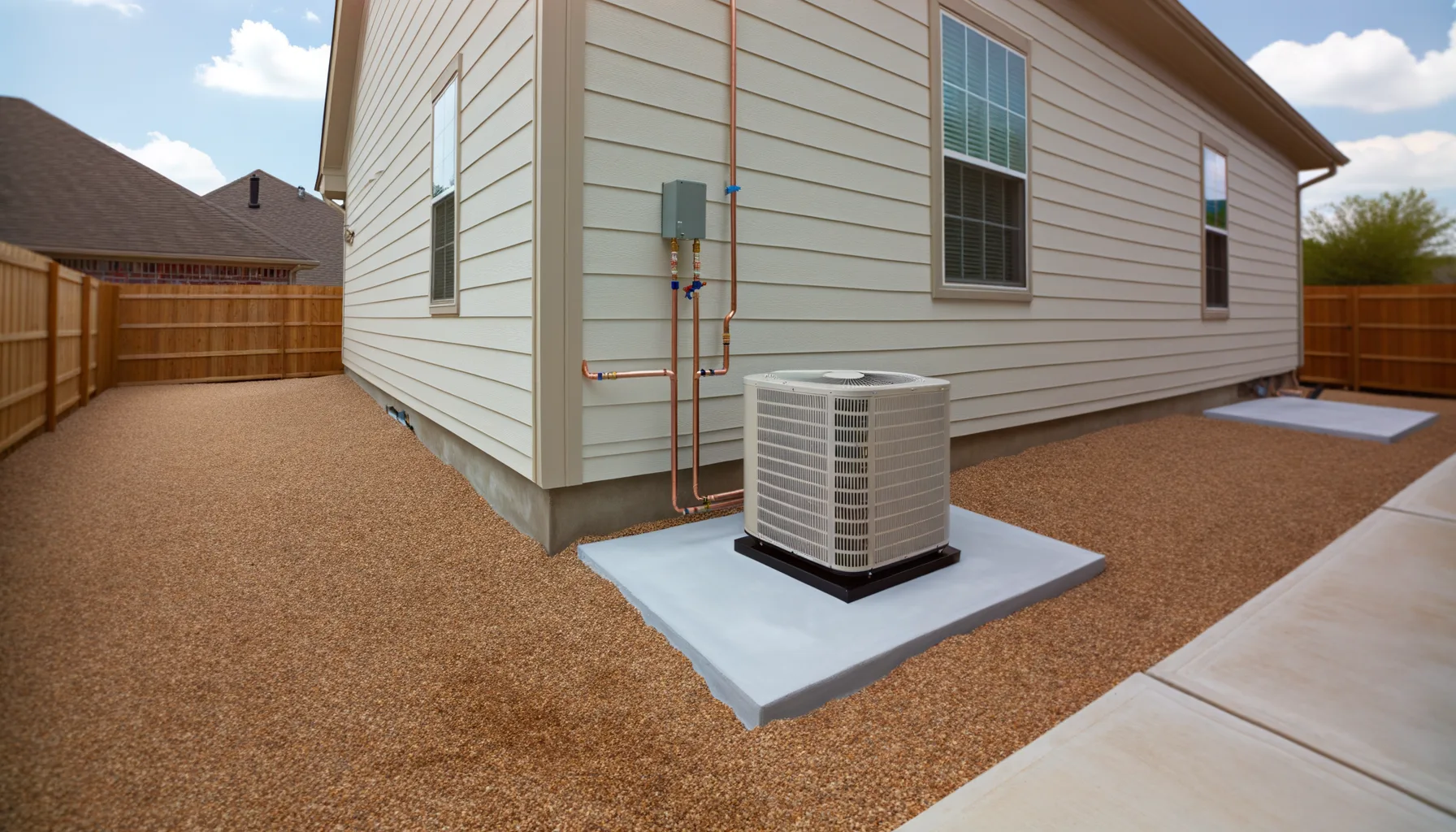
The shifting clay soil in Austin can pose risks for HVAC installations, particularly for outdoor units. It’s vital to place condensation lines, ducts, and outdoor units above the soil line to prevent flooding and ensure efficient drainage. A well-planned installation might range from $1,200 to $2,500, depending on the equipment placement and required foundation support.
Failing to account for the local soil conditions can lead to premature breakdowns, making consultation with local experts indispensable during any HVAC installation project.
3. Permitting Process and Compliance
Before diving into HVAC installation, understand that Austin requires homeowners to secure proper permits. The process can take from one to three weeks depending on local government responsiveness. Costs for permits range from $50 to several hundred dollars based on system size and complexity. Skipping this step could result in fines or forced removal of your unit.
Always consult BreezyPros to navigate the permitting landscape and to make sure you meet all local compliance standards.
4. Weather Resilience and HVAC Design
Given the potential for severe thunderstorms and hail, your HVAC system should be designed with weather resilience in mind. A well-designed system will include protective features like metal grates to prevent hail damage. Investing approximately $200 to $500 in protective measures can save you thousands in repairs during peak storm seasons.
If your system isn’t weather-appropriate, consult our inspectors for a thorough assessment and recommendations.
5. Regular Maintenance and Local Climate Impacts
Regular HVAC maintenance not only keeps your system running efficiently but also ensures compliance with Austin’s stringent code requirements. Annual check-ups typically cost between $100 and $200 and can substantially extend the lifespan of your unit while improving energy performance. In Austin, neglecting maintenance can lead to complications due to our climate, making this often-overlooked task crucial.
Set reminders for yearly servicing with BreezyPros, as well-performing systems are less susceptible to long-term issues.
6. Choosing the Right Contractor in Austin
Local HVAC contractors understand the nuances of city codes and HVAC requirements, leading to better service continuity. When hiring, always check for licensing and experience specific to Austin’s unique climate challenges. Expect to invest in a quality installation ranging from $3,000 to $8,000, depending on the system selected.
Prioritize contractors who possess a deep understanding of the local building codes, ensuring that your HVAC system is installed seamlessly according to regulations.
Austin Climate & Local Context
Austin's unique climate—with extreme temperatures, high humidity, and the potential for damaging storms—requires specially designed HVAC systems to ensure comfort and energy efficiency. Older homes may also be subject to differing building codes compared to newer constructions. Austin’s building department mandates that any alterations or new installations must comply with these codes to safeguard homes from storm damage and inefficient energy use.
In particular, the local emphasis on insulation and ventilation standards reflects the need to maintain indoor air quality in a humid environment. Furthermore, any HVAC installation must consider foundation stability to prevent damage—a crucial factor given our pervasive clay soil. These local environmental and structural issues require homeowners to understand their HVAC choices thoroughly.
When to Call a Professional
Determining when to tackle HVAC issues yourself versus calling a professional is crucial for Austin homeowners. For minor adjustments such as filter replacements or thermostat calibrations, DIY projects are manageable. However, when faced with complex malfunctions or installation matters, seeking the expertise of professionals, like BreezyPros, ensures less risk and correct application of building codes.
- Inconsistent temperatures across rooms.
- Visible refrigerant leaks.
- Unusual noises coming from your HVAC system.
- Frequent system cycling on and off.
- Age of your HVAC unit over 15 years.
- System failures during peak usage times.
Ignoring these red flags can lead to more significant problems, making awareness and prompt action critical. Rely on local professionals who understand specific Austin challenges.
Frequently Asked Questions
What are the most common HVAC problems in Austin?
In Austin, air conditioning failures during peak summer months are prevalent due to overworked systems. High humidity levels can also lead to mold, impacting air quality.
How can I prepare my HVAC system for hurricane season?
To prepare for hurricane season, ensure debris is cleared around the units, and consider hiring a professional to secure or elevate equipment to prevent water damage.
Are there specific HVAC regulations in Austin I should know about?
Yes, Austin enforces regulations on energy efficiency, ventilation, and system safety. These guidelines are critical to ensuring longevity and compliance.
How can BreezyPros help with HVAC maintenance?
BreezyPros offers comprehensive maintenance plans that include annual inspections and seasonal tune-ups tailored to local conditions, ensuring your system runs efficiently.
What should I look for when selecting an HVAC contractor?
When selecting an HVAC contractor in Austin, look for local licensing, experience with weather resilience, and a solid reputation. BreezyPros checks all these boxes.
Get Expert HVAC Service in Austin
If you’re facing HVAC challenges and want to ensure compliance with Austin’s building codes, don’t hesitate to reach out to BreezyPros Cooling Installation and Heating Repair. Our experts are ready to assist you with tailored solutions for your home.
Call us today at (737) 316-5388 to schedule a consultation that meets your HVAC needs and enhances your home’s comfort in Austin.